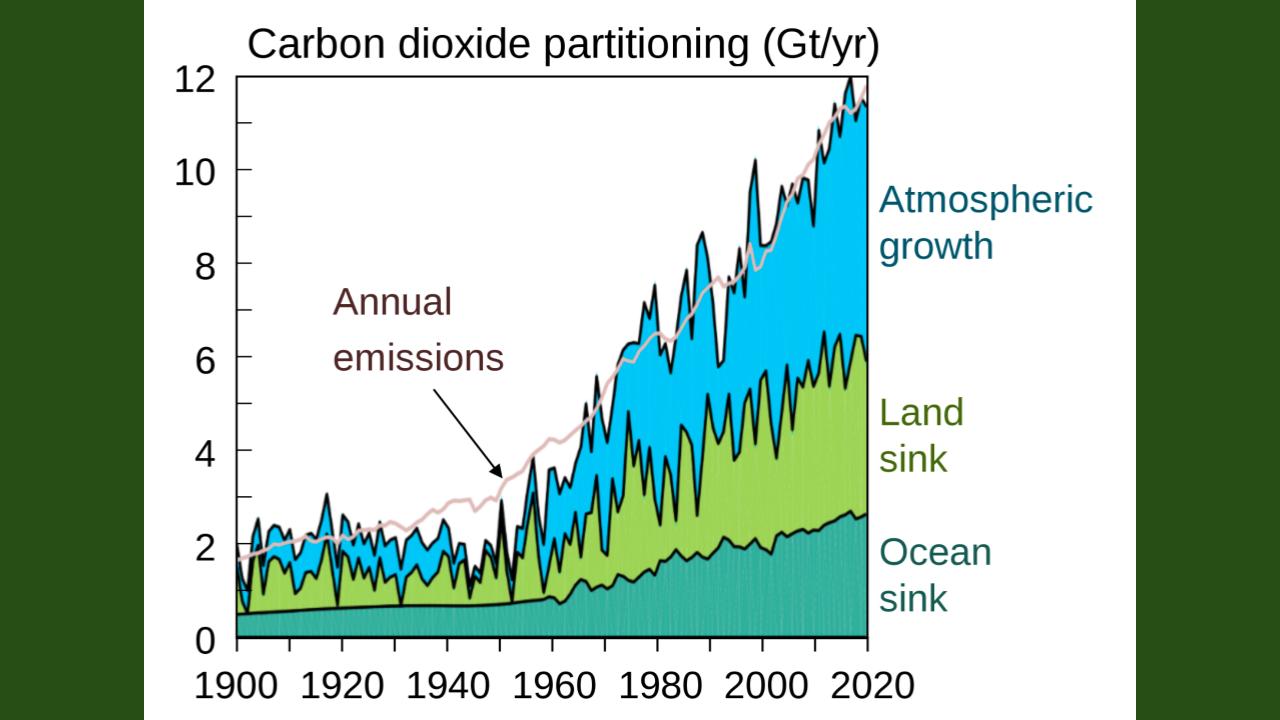
The politics of climate change results from different perspectives on how to respond to climate change. Global warming is driven largely by the emissions of greenhouse gases due to human economic activity, especially the burning of fossil fuels, certain industries like cement and steel production, and land use for agriculture and forestry. Since the Industrial Revolution, fossil fuels have provided the main source of energy for economic and technological development. The centrality of fossil fuels and other carbon-intensive industries has resulted in much resistance to climate friendly policy, despite widespread scientific consensus that such policy is necessary.
Climate change first emerged as a political issue in the 1970s. Efforts to mitigate climate change have been prominent on the international political agenda since the 1990s, and are also increasingly addressed at national and local level. Climate change is a complex global problem. Greenhouse gas (GHG) emissions contribute to global warming across the world, regardless of where the emissions originate. Yet the impact of global warming varies widely depending on how vulnerable a location or economy is to its effects. Global warming is on the whole having negative impact, which is predicted to worsen as heating increases. Ability to benefit from both fossil fuels and renewable energy sources vary substantially from nation to nation.
Different responsibilities, benefits and climate related threats faced by the world’s nations contributed to early climate change conferences producing little beyond general statements of intent to address the problem, and non-binding commitments from the developed countries to reduce emissions. In the 21st century, there has been increased attention to mechanisms like climate finance in order for vulnerable nations to adapt to climate change. In some nations and local jurisdictions, climate friendly policies have been adopted that go well beyond what was committed to at international level. Yet local reductions in GHG emission that such policies achieve will not slow global warming unless the overall volume of GHG emission declines across the planet.
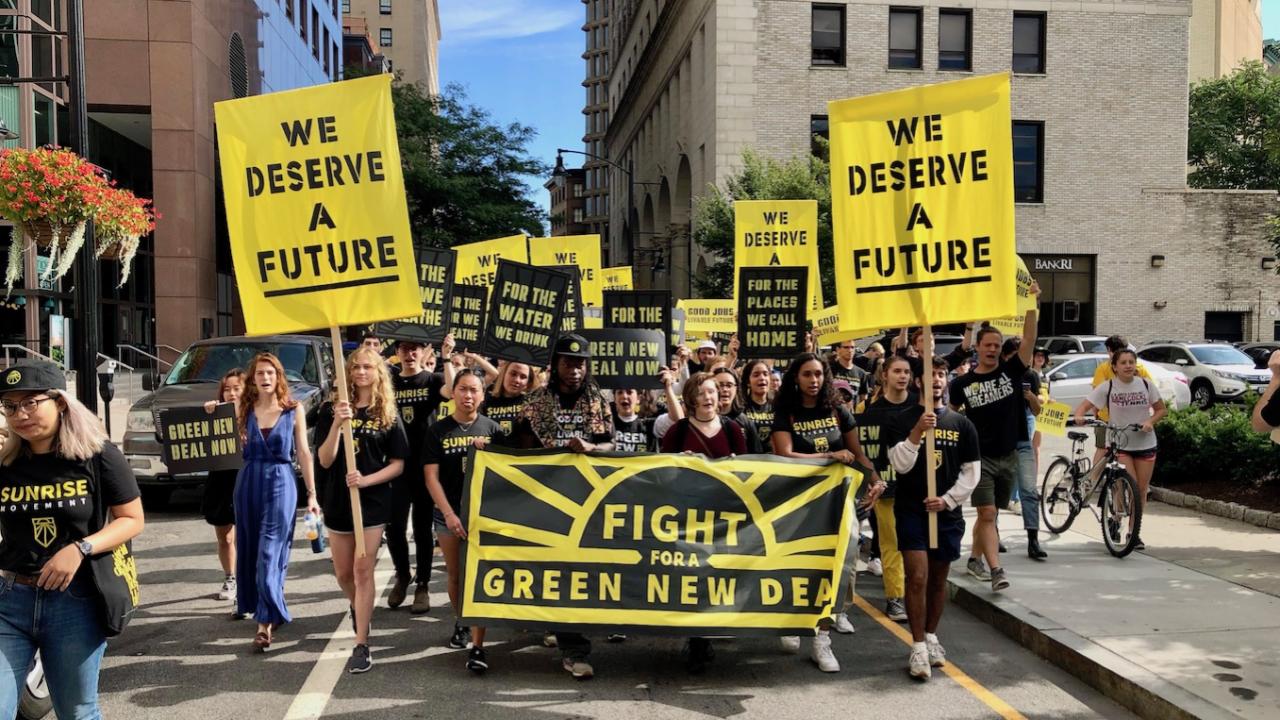
Since entering the 2020s, the feasibility of replacing energy from fossil fuel with renewable energy sources significantly increased, with some countries now generating almost all their electricity from renewables. Public awareness of the climate change threat has risen, in larger part due to social movement led by youth and visibility of the impacts of climate change, such as extreme weather events and flooding caused by sea level rise. Many surveys show a growing proportion of voters support tackling climate change as a high priority, making it easier for politicians to commit to policies that include climate action. The COVID-19 pandemic and economic recession lead to widespread calls for a “green recovery”, with some political contexts like the European Union successfully integrating climate action into policy change. Outright climate change denial had become a much less influential force by 2019, where opposition has pivoted to strategies of encouraging delay or inaction.
OnAir Post: Policies & Politics